Unlocking Longevity: The Power of NAD+, Glutathione, Lipotropic B12, Metformin, and GLP-1 Medications

In the quest for a longer, healthier life, more people are turning to science-backed supplements and medications that can help slow the aging process. With breakthroughs in longevity research, it’s now possible to integrate a strategic combination of compounds that target cellular health, energy metabolism, and fat loss—all critical factors in combating aging. Let’s explore how NAD+, Glutathione, Lipotropic B12, Metformin, and GLP-1 medications work together to enhance longevity and why they may be the perfect companions in your anti-aging toolkit.
The Role of Cellular Health in Aging
As we age, our cells become less efficient at performing essential functions like energy production, detoxification, and regeneration. One of the main contributors to this decline is the reduction in molecules like NAD+ (nicotinamide adenine dinucleotide), which plays a key role in cellular metabolism and DNA repair. When NAD+ levels drop, our cells are less able to combat oxidative stress and inflammation, leading to the visible and internal signs of aging.
NAD+: Replenishing Cellular Energy
NAD+ is a coenzyme found in every living cell, and it is essential for energy metabolism and mitochondrial function. In longevity research, NAD+ is considered a key player because it activates sirtuins, proteins that regulate cellular health, promote DNA repair, and support longevity. By boosting NAD+ levels, we help our cells maintain energy production, reduce oxidative stress, and support healthy aging.
How NAD+ Supports Longevity:
- Increases cellular energy (ATP) production
- Enhances DNA repair and regeneration
- Boosts mitochondrial function
- Reduces inflammation and oxidative stress
Supplementing with NAD+ precursors, like nicotinamide riboside (NR) or nicotinamide mononucleotide (NMN), has been shown to restore NAD+ levels, potentially slowing down the aging process and enhancing energy levels.
Glutathione: The Master Antioxidant
Another crucial player in the anti-aging game is Glutathione, often called the “master antioxidant.” It protects cells from damage caused by free radicals, toxins, and inflammation. Glutathione is naturally produced by the liver, but as we age, our levels decline, leaving us vulnerable to oxidative stress and accelerated aging.
By supplementing with Glutathione or its precursors, you can support detoxification processes and help reduce the cellular damage that leads to chronic diseases and premature aging.
How Glutathione Supports Longevity:
- Detoxifies harmful substances
- Protects against oxidative damage
- Promotes immune function
- Supports liver health
Lipotropic B12: Boosting Metabolism and Energy
Lipotropic B12 is another critical factor for energy production and fat metabolism. B12 plays a vital role in red blood cell formation, DNA synthesis, and neurological function. As we age, our ability to absorb B12 diminishes, which can lead to fatigue, poor metabolism, and cognitive decline.
Lipotropic B12 injections combine vitamin B12 with compounds like methionine, inositol, and choline to enhance fat metabolism and energy levels, supporting weight management, liver function, and overall vitality.
How Lipotropic B12 Supports Longevity:
- Boosts energy and cognitive function
- Enhances fat metabolism and weight loss
- Supports liver health
- Improves mood and mental clarity
Metformin: The Anti-Aging Drug
Originally developed as a diabetes medication, Metformin has gained popularity for its potential anti-aging benefits. Metformin improves insulin sensitivity and reduces blood sugar levels, which in turn can reduce inflammation and oxidative stress, two key drivers of aging. Metformin has been shown in animal studies to extend lifespan and improve healthspan, which is the number of years spent in good health.
How Metformin Supports Longevity:
- Improves insulin sensitivity and metabolic health
- Reduces inflammation and oxidative stress
- Promotes healthy aging at the cellular level
- May reduce the risk of age-related diseases like cancer and cardiovascular disease
GLP-1 Medications: A Game-Changer for Weight Loss and Metabolism
GLP-1 (glucagon-like peptide-1) receptor agonists like Semaglutide and Tirzepatide are popular for their potent weight-loss benefits, but they also offer metabolic advantages that complement anti-aging strategies. By mimicking a natural hormone that regulates blood sugar and insulin, GLP-1 medications help control appetite, improve insulin sensitivity, and promote weight loss—all of which are essential for maintaining a healthy metabolism as we age.
How GLP-1 Medications Support Longevity:
- Promote significant weight loss and fat reduction
- Improve insulin sensitivity and metabolic function
- Reduce inflammation and oxidative stress
- Support cardiovascular and liver health
The Synergy of Combining NAD+, Glutathione, Lipotropic B12, Metformin, and GLP-1 Medications
When used together, this powerhouse combination addresses multiple aspects of aging, from cellular energy production to metabolism and fat loss. NAD+ and Glutathione work on the cellular level to reduce oxidative damage and maintain mitochondrial function. Lipotropic B12 supports energy levels and fat metabolism, making it easier to maintain a healthy weight and stay active as you age. Metformin optimizes metabolic health, while GLP-1 medications take weight loss and insulin sensitivity to the next level.
Together, these compounds create a well-rounded, science-backed approach to longevity that not only targets aging at the cellular level but also helps improve overall metabolic health, energy, and vitality.
Conclusion: Your Path to Longevity
Incorporating NAD+, Glutathione, Lipotropic B12, Metformin, and GLP-1 medications into your daily routine offers a multi-faceted approach to anti-aging and longevity. By optimizing cellular health, supporting detoxification, enhancing fat metabolism, and improving metabolic function, this synergistic combination can help you not only live longer but enjoy better health, energy, and vitality as you age.
If you’re looking to unlock the key to aging gracefully, these scientifically supported compounds may offer a powerful solution to help you thrive for years to come.
Share this article

Related articles
Summer Starts Here: 5 Light & Nourishing Recipes to Support Your GLP-1 Journey
At Effecty, we believe wellness is more than a prescription — it’s a way of life. If you’re on a GLP-1 medication, you’re already taking powerful steps to support your metabolism and reach a healthier weight. But how you nourish your body matters just as much.
As the weather heats up, so should your hydration, nutrition, and joy. Below are five summer-friendly recipes created to complement GLP-1 treatment — designed to be light on the gut, rich in nutrients, and refreshingly easy to prepare.
🍓 1. Strawberry-Basil Chia Water
Hydration + Fiber
Chia seeds are fiber powerhouses that help with fullness, while strawberries and basil add a burst of antioxidants and natural sweetness.
Ingredients:
- 2 cups cold water
- 1 tbsp chia seeds
- 4–5 fresh strawberries, sliced
- A few basil leaves
- Optional: squeeze of lemon
Instructions:
Stir chia seeds into water and let sit for 5–10 minutes. Add strawberries, basil, and lemon. Sip throughout the day.
🥒 2. Cucumber-Avocado Gazpacho
Cooling + Easy on Digestion
Blended soups are ideal during GLP-1 treatment because they’re gentle, filling, and easy to portion.
Ingredients:
- 1 large cucumber, peeled and chopped
- 1 avocado
- Juice of 1 lime
- ¼ cup Greek yogurt or dairy-free alternative
Salt, pepper, and mint to taste
Instructions:
Blend all ingredients until smooth. Chill and serve cold with a drizzle of olive oil or dollop of yogurt.
🍑 3. Grilled Peach & Arugula Salad
Sweet, Peppery & Satisfying
Perfect for a light lunch or dinner side — fiber, healthy fats, and seasonal fruit in one.
Ingredients:
- 2 peaches, halved and grilled
- 2 cups arugula
- 1 tbsp feta or goat cheese
- 1 tsp olive oil + balsamic vinegar
- Optional: handful of walnuts
Instructions:
Grill peach halves for 2 minutes per side. Toss with arugula, cheese, walnuts, and dressing.
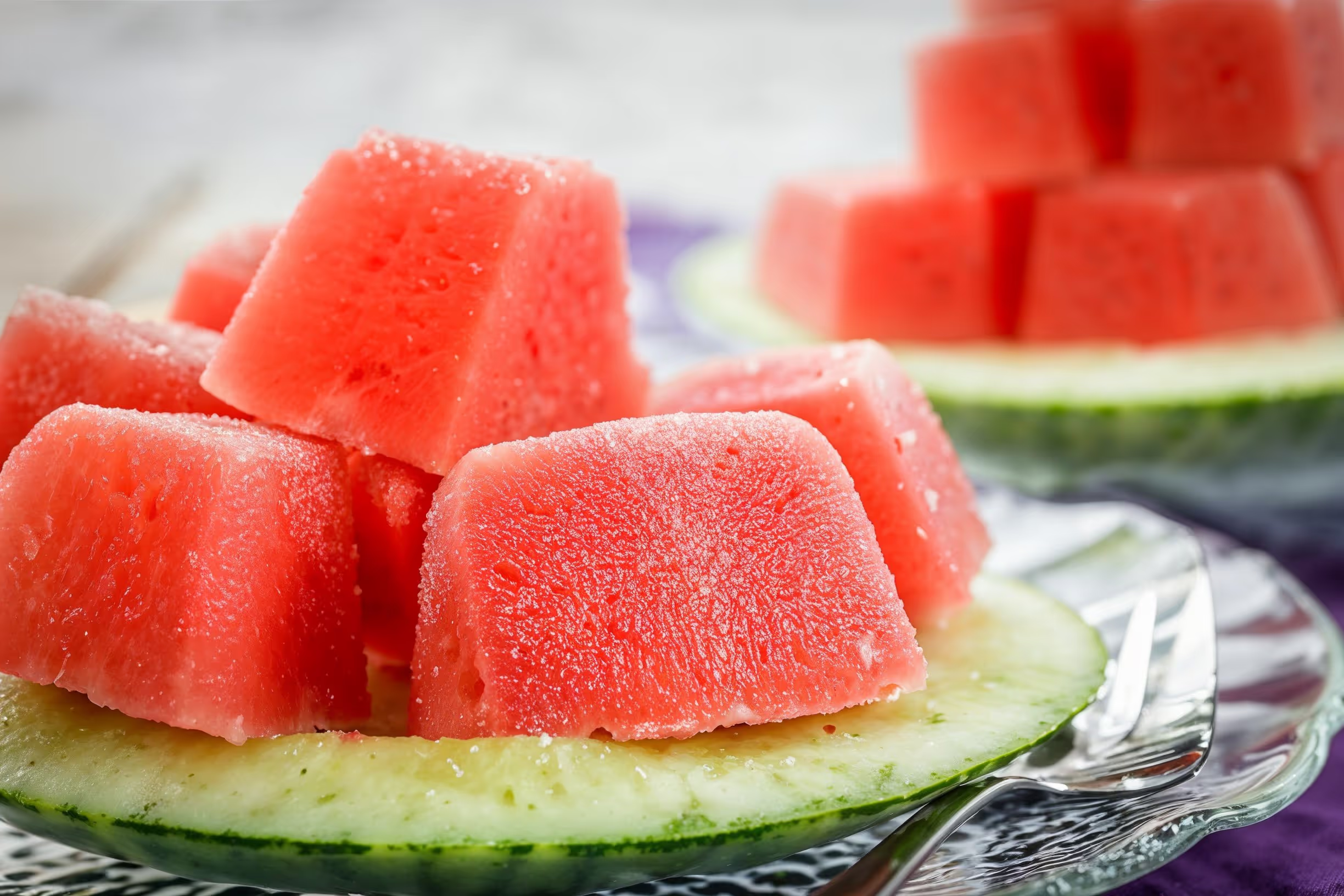
🍉 4. Watermelon-Mint Ice Cubes
Fun Hydration Hack
Sometimes, the little things help you stay on track. These cubes turn plain water into something craveable.
Instructions:
Blend 1 cup watermelon with a handful of mint. Pour into ice cube trays and freeze. Add to still or sparkling water.
🐟 5. Lemony Grilled Salmon with Zucchini Ribbons
Protein-Rich + Light
Protein is key while on GLP-1s — it keeps you full and supports lean body mass. This dish is quick and nutrient-dense.
Ingredients:
- 1 salmon filet
- 1 zucchini, shaved into ribbons
- Juice of ½ lemon
- Olive oil, salt, pepper
- Dill or parsley
Instructions:
Grill salmon until flaky. Toss zucchini ribbons with lemon and olive oil, plate alongside salmon.
🌿 Why These Recipes Work With GLP-1s
GLP-1 medications slow digestion and reduce appetite, so eating smaller, nutrient-dense meals helps avoid nausea and bloating. These recipes are:
✅ Easy to digest
✅ High in hydration
✅ Fiber- and protein-rich
✅ Naturally portion-controlled
✅ Joyful to prepare and eat
🧡 Effecty = Wellness, Not Just Weight Loss
At Effecty, we’re with you for the long haul — helping you feel good in your body, understand your treatment, and embrace a life that feels sustainable and fun. These meals aren’t just “GLP-1 friendly” — they’re life friendly.
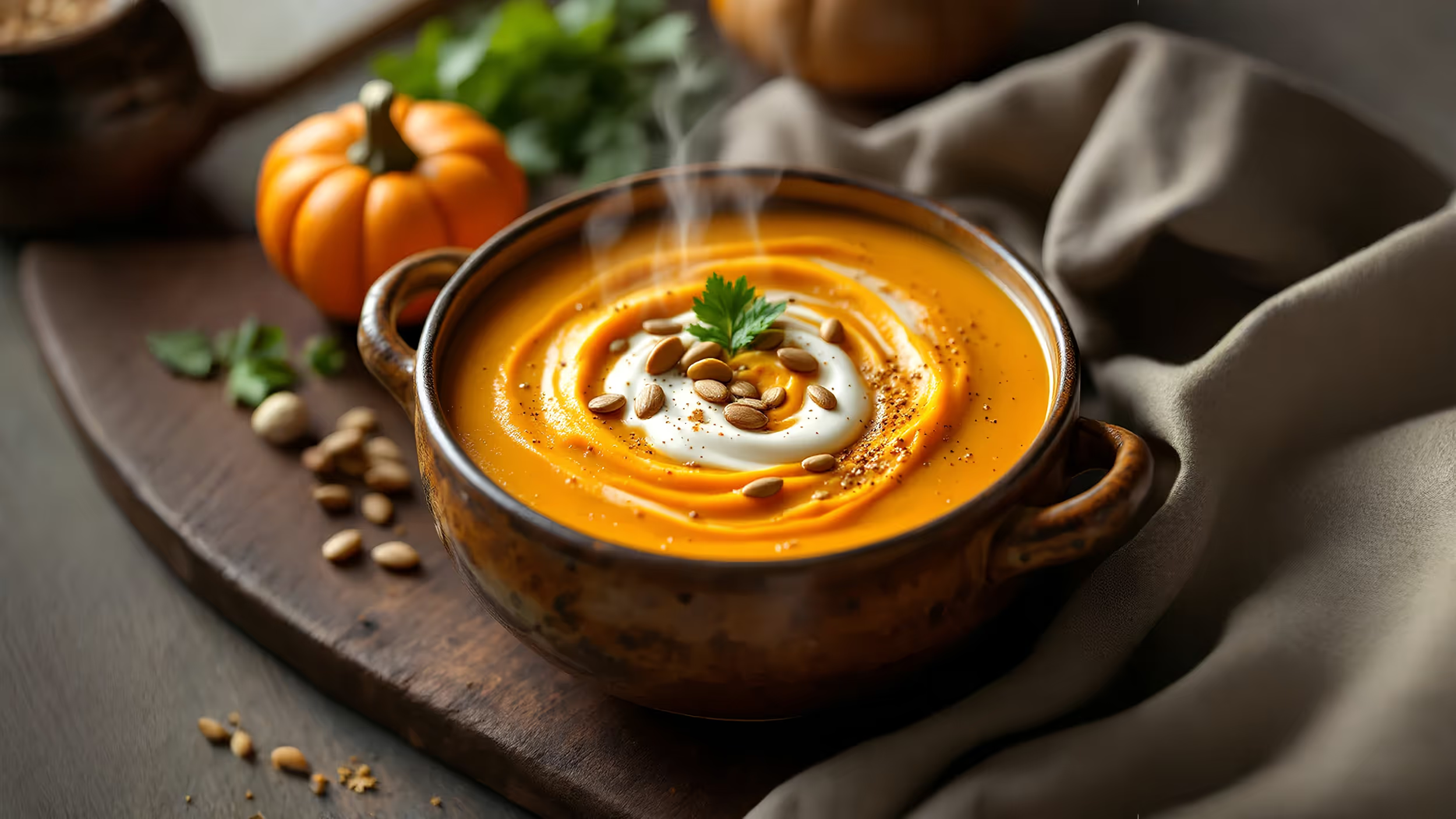
Effecty's High-Protein Pumpkin-Butternut Soup
Effecty's High-Protein Pumpkin-Butternut Soup
The "Why" Behind This Recipe:
- High-Protein: Crucial for satiety, muscle maintenance, and managing appetite. The chicken and Greek yogurt provide a significant protein boost.
- Fiber-Rich: Pumpkin and butternut squash are loaded with fiber, which aids in digestion, promotes a feeling of fullness, and helps stabilize blood sugar.
- Easy to Digest: The creamy, blended texture is gentle on the stomach.
- Nutrient-Dense: This soup is packed with vitamins A and C, potassium, and other essential nutrients from the vegetables and spices.
Serves: 4 Prep time: 15 minutes Cook time: 30 minutes
Ingredients for the base:
- 1 tablespoon olive oil
- 1 yellow onion, chopped
- 2 cloves garlic, minced
- 1 small butternut squash (about 2 lbs), peeled and cubed
- 1 (15 oz) can pure pumpkin puree (not pumpkin pie mix)
- 4 cups low-sodium chicken or vegetable broth
- 1 teaspoon grated fresh ginger
- ½ teaspoon ground cinnamon
- ¼ teaspoon ground nutmeg
- Pinch of cayenne pepper (optional, for a little kick!)
- Salt and black pepper to taste
Ingredients for the "Toppings" (The Fun Part!):
- 2 cups cooked, shredded chicken breast (pre-cooked and shredded rotisserie chicken works perfectly!)
- ½ cup plain, unsweetened Greek yogurt (full-fat or 2% for creaminess)
- ¼ cup toasted pumpkin seeds (pepitas)
- 2 tablespoons fresh parsley, chopped
- A drizzle of extra virgin olive oil for garnish
Instructions:
- The Sauté & Soften Step (The Sunrise): Heat the olive oil in a large pot or Dutch oven over medium heat. Add the chopped onion and cook until softened, about 5 minutes. Stir in the garlic, ginger, cinnamon, nutmeg, and cayenne (if using), and cook for another minute until fragrant.
- The Simmer & Meld Step (The Daylight): Add the cubed butternut squash, pumpkin puree, and broth to the pot. Stir to combine everything. Bring the soup to a boil, then reduce the heat to a simmer. Cover and cook for 15-20 minutes, or until the butternut squash is fork-tender.
- The Blend & Cream Step (The Sunset): Carefully transfer the soup in batches to a blender (or use an immersion blender directly in the pot). Blend until completely smooth and creamy. Return the soup to the pot and gently reheat. Season with salt and pepper to your liking.
- The Protein Power-Up (The Moonlight): Stir the shredded chicken directly into the pot and let it warm through for a few minutes. This ensures every spoonful is packed with protein.
- The "Harvest Moon" Presentation (The Grand Finale!): Ladle the hot soup into bowls. Now for the fun part: create a "Harvest Moon" swirl by spooning a dollop of Greek yogurt into the center of the soup and using the back of the spoon to swirl it in. Sprinkle with toasted pumpkin seeds for crunch and fresh parsley for a burst of color. Finish with a light drizzle of olive oil.
Nourishing Your Body on GLP-1 Medication: A Path to Longevity and Vitality
In today’s fast-paced world, taking care of our health is more critical than ever. For those on GLP-1 medications, such as semaglutide or tirzepatide, focusing on proper nutrition and exercise can significantly enhance the benefits of the treatment, leading to a healthier, more vibrant life.
The Role of GLP-1 Medications in Health
GLP-1 (glucagon-like peptide-1) medications have become a powerful tool in managing weight, improving glycemic control, and reducing the risk of cardiovascular disease. They work by mimicking the effects of the GLP-1 hormone, which regulates appetite, slows gastric emptying, and enhances insulin secretion in response to meals.
While these medications are highly effective, they are not a magic bullet. To maximize the benefits and ensure long-term success, it’s essential to complement them with a balanced diet and regular exercise. This combination not only supports the medication’s efficacy but also promotes overall well-being and longevity.
Eating Properly on GLP-1 Medication
One of the key aspects of being on GLP-1 medication is understanding how to nourish your body properly. Because these medications affect your appetite and how your body processes food, it's crucial to choose nutrient-dense foods that provide sustained energy and support your health goals.
Focus on Whole Foods
Whole foods—such as fruits, vegetables, whole grains, lean proteins, and healthy fats—should form the cornerstone of your diet. These foods are rich in essential nutrients, fiber, and antioxidants, which are vital for maintaining energy levels, supporting immune function, and reducing inflammation.
For example:
- Breakfast: Start your day with a bowl of oatmeal topped with fresh berries, a handful of nuts, and a drizzle of honey. This meal provides fiber, antioxidants, and healthy fats to keep you full and energized.
- Lunch: A quinoa salad with grilled chicken, avocado, cherry tomatoes, and a light vinaigrette offers a perfect balance of protein, healthy fats, and complex carbohydrates.
- Dinner: Consider a plate of baked salmon with steamed broccoli and sweet potatoes. This dish is rich in omega-3 fatty acids, vitamins, and minerals that support heart health and reduce inflammation.
Incorporate Small, Balanced Meals
Since GLP-1 medications can reduce your appetite, it’s important to listen to your body and eat small, balanced meals throughout the day. This approach helps maintain steady blood sugar levels and prevents overeating. For example, snack on Greek yogurt with a sprinkle of granola or enjoy a small apple with almond butter. These options provide a mix of protein, healthy fats, and fiber, which help keep you satisfied between meals.
Hydration Is Key
Staying hydrated is essential, especially when on GLP-1 medication. Drinking enough water helps your body process nutrients, aids digestion, and keeps your skin healthy. Aim for at least eight glasses of water a day, and consider herbal teas or infused water with lemon or cucumber for variety.
The Power of Exercise: Enhancing the Benefits of GLP-1
While proper nutrition is crucial, incorporating regular exercise into your routine can further amplify the benefits of GLP-1 medications. Exercise improves cardiovascular health, increases muscle mass, boosts metabolism, and enhances mental well-being.
Exercise for Longevity
Regular physical activity is one of the most effective ways to increase longevity. It helps reduce the risk of chronic diseases such as heart disease, diabetes, and certain cancers. It also supports brain health, reducing the risk of cognitive decline as we age. Even moderate exercise, like brisk walking, swimming, or cycling, can have a profound impact on your overall health.
For instance:
- Strength Training: Incorporating strength training exercises, such as weightlifting or resistance band workouts, twice a week can help build muscle mass, increase metabolism, and improve bone density.
- Cardio Workouts: Aim for at least 150 minutes of moderate-intensity cardio per week. Activities like jogging, dancing, or cycling are excellent for enhancing cardiovascular health and boosting endorphins, which improve mood.
- Flexibility and Balance: Don’t forget about flexibility and balance exercises like yoga or tai chi. These practices not only improve physical balance and flexibility but also reduce stress and enhance mental clarity.
Embracing a Positive, Long-Term Approach
Being on GLP-1 medication is a step towards better health, but the journey doesn’t end there. By embracing a holistic approach that includes proper nutrition and regular exercise, you’re setting yourself up for long-term success. This combination will help you feel more energetic, reduce the risk of chronic diseases, and ultimately, improve your quality of life.
As you continue on this path, remember that small, consistent changes often lead to the most significant results. Celebrate your progress, stay positive, and focus on the long-term benefits of a healthy lifestyle. Your body and mind will thank you, today and in the years to come.
Final Thoughts
The decision to take GLP-1 medication is a proactive step towards improving your health and well-being. By eating properly and staying active, you’re not only enhancing the effectiveness of the medication but also investing in a longer, healthier, and more fulfilling life. So, whether you’re just starting your journey or are well on your way, remember that every choice you make—every meal, every workout—is a step towards a brighter, healthier future.