We are constantly exploring the best tools to help clients achieve their health goals. While there are many paths to sustainable weight loss, one of the most promising recent developments has been the rise of GLP-1 (glucagon-like peptide-1) medications like Semaglutide (Ozempic®) and Tirzepatide (Mounjaro®). These medications have gained popularity for their impressive ability to help people lose significant amounts of weight, but their benefits go far beyond the number on the scale.
This post breaks down the science behind GLP-1 medications and why they’re a game-changer—not just for weight loss but also for improving metabolic health, reducing inflammation, and supporting overall well-being.
What Are GLP-1 Medications?
GLP-1 medications mimic the action of a natural hormone in your body called glucagon-like peptide-1, which is secreted in response to food intake. GLP-1 plays a critical role in regulating blood sugar, appetite, and digestion. By activating GLP-1 receptors, these medications help control blood sugar levels and reduce appetite, making it easier for people to lose weight. However, the effects of GLP-1 medications go far beyond appetite control.
Benefits of GLP-1 Medications Beyond Weight Loss
1. Significant and Sustainable Weight Loss
Let’s start with the obvious: GLP-1 medications are incredibly effective for weight loss. Clinical trials have shown that people using GLP-1 agonists like Semaglutide can lose up to 15-20% of their body weight, which is far more than what’s typically seen with lifestyle interventions alone.
Unlike crash diets or extreme calorie restrictions, GLP-1 medications work by naturally reducing appetite and promoting a feeling of fullness after eating. This means that individuals are less likely to binge eat or crave unhealthy foods, and they can stick to a balanced diet more easily. Over time, this leads to sustainable, long-term weight loss, which is crucial for maintaining health improvements.
- Scientific Insight: GLP-1 medications slow gastric emptying, meaning food stays in the stomach longer, which prolongs satiety and reduces overall caloric intake.
2. Improved Insulin Sensitivity and Blood Sugar Control
For individuals with insulin resistance or type 2 diabetes, GLP-1 medications offer dramatic improvements in blood sugar regulation. By enhancing insulin secretion in response to meals and reducing the amount of glucose the liver releases into the bloodstream, GLP-1s help stabilize blood sugar levels.
This makes GLP-1 medications especially valuable for those struggling with prediabetes or type 2 diabetes, as they reduce the risk of dangerous blood sugar spikes and help prevent long-term complications like nerve damage, kidney disease, and cardiovascular problems.
- Scientific Insight: GLP-1 medications increase insulin production when glucose levels are high, but unlike some other diabetes medications, they don’t cause hypoglycemia (dangerously low blood sugar) in patients with normal glucose levels.
3. Cardiovascular Benefits
Heart disease is the leading cause of death worldwide, and individuals with obesity or type 2 diabetes are at a higher risk for developing cardiovascular conditions. The good news is that GLP-1 medications have been shown to offer significant cardiovascular benefits beyond weight loss.
Studies have demonstrated that these medications can reduce the risk of major cardiovascular events like heart attacks and strokes, particularly in patients with type 2 diabetes. They can also help lower blood pressure and improve cholesterol levels, which contributes to overall heart health.
- Scientific Insight: GLP-1 receptor agonists like Semaglutide reduce inflammation in blood vessels and improve endothelial function, both of which are crucial for maintaining heart health and preventing atherosclerosis.
4. Reduction in Inflammation and Oxidative Stress
Chronic inflammation and oxidative stress are two of the underlying causes of many age-related diseases, including heart disease, cancer, and neurodegenerative conditions. GLP-1 medications have anti-inflammatory effects that extend beyond the cardiovascular system.
By reducing inflammation and oxidative stress, GLP-1 medications help to protect cells from damage, which may contribute to their broader health benefits. This reduction in inflammation also plays a role in lowering the risk of developing conditions like fatty liver disease, which is common in people with obesity.
- Scientific Insight: GLP-1 medications reduce the levels of pro-inflammatory cytokines in the body, helping to decrease the overall burden of chronic inflammation.
5. Neuroprotective Effects
Interestingly, GLP-1 medications may also have neuroprotective properties, making them a potential game-changer in the realm of brain health. Research is still ongoing, but some studies have shown that GLP-1 receptor agonists can cross the blood-brain barrier and have protective effects on neurons.
This is exciting because it suggests that GLP-1 medications could potentially help reduce the risk of neurodegenerative diseases like Alzheimer’s and Parkinson’s. Early animal studies have shown promising results, but more human research is needed to confirm these effects.
- Scientific Insight: GLP-1 receptor activation promotes the survival of neurons and enhances synaptic plasticity, which may help protect against cognitive decline.
6. Supports Healthy Eating Habits and Emotional Well-being
From a weight loss coach’s perspective, one of the most valuable aspects of GLP-1 medications is how they help people develop healthier eating habits. By reducing cravings for sugary, high-fat foods and promoting satiety, GLP-1 agonists make it easier for individuals to stick to nutrient-dense, balanced meals without feeling deprived.
Additionally, many people report an improvement in emotional well-being when using GLP-1 medications. Because they reduce the constant hunger signals that can lead to frustration and binge eating, these medications help create a more positive relationship with food, which is key to long-term success in weight management.
- Scientific Insight: GLP-1 medications interact with the brain’s reward pathways, reducing the reinforcing effects of high-calorie foods and making it easier to resist temptation.
Potential Side Effects of GLP-1 Medications
While the benefits of GLP-1 medications are extensive, it’s important to be aware of potential side effects, which can vary from person to person. Common side effects include:
- Nausea and gastrointestinal discomfort: These are the most frequently reported side effects, especially during the initial phase of treatment. Most people find that these symptoms diminish over time.
- Constipation or diarrhea: Changes in digestion can occur as the body adjusts to the medication.
- Headaches or fatigue: A smaller percentage of users report headaches or fatigue, particularly at the start of treatment.
- Rare side effects: In rare cases, there have been reports of more serious issues like pancreatitis, so it’s important to work closely with a healthcare provider when starting GLP-1 medications.
Conclusion: GLP-1 Medications Offer Far More Than Just Weight Loss
As a weight loss coach and scientist, I’ve seen firsthand how GLP-1 medications can transform lives—not only by helping individuals achieve significant, sustainable weight loss but also by improving their overall health. The benefits go far beyond the scale, offering powerful advantages for blood sugar control, heart health, inflammation, brain function, and even emotional well-being.
For anyone struggling with obesity, metabolic syndrome, or type 2 diabetes, GLP-1 medications provide an invaluable tool in the pursuit of a healthier, longer life. With their broad range of benefits and a growing body of research to support their use, these medications are helping to redefine what’s possible when it comes to managing weight and improving overall health.
As always, it’s essential to consult with a healthcare professional to determine if GLP-1 medications are right for your specific health needs and goals.
Share this article

Related articles
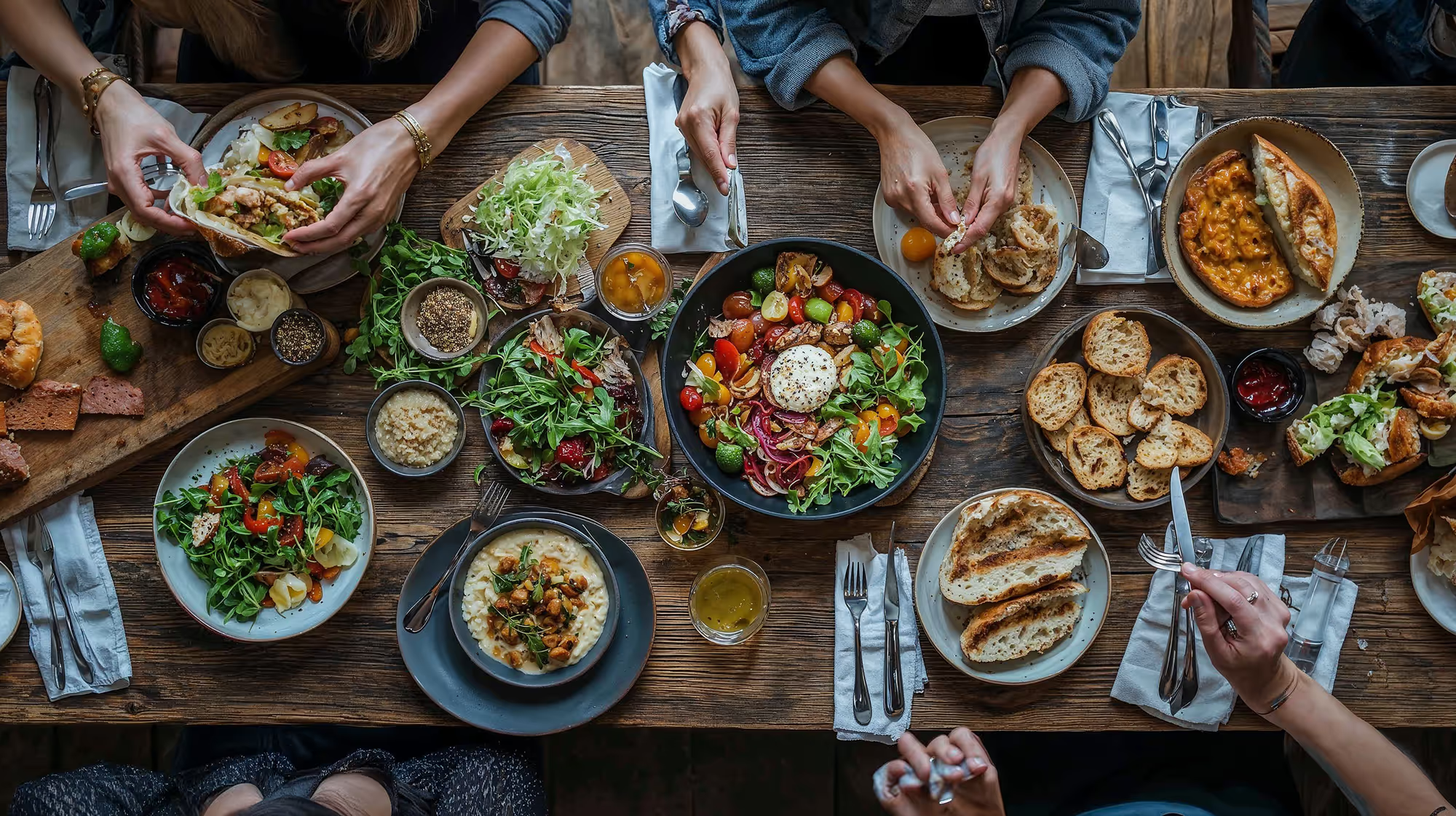
Eating Out on GLP-1s: A Guide to Restaurant Dining
Hello, Effecty family! Dining out is one of life's great pleasures, but when you're on GLP-1, it might feel a bit daunting. Fear not! You can still enjoy your favorite restaurants while staying true to your health goals. Let’s explore some tips and tricks for navigating the menu, enjoying your meal, and maintaining your wellness journey.
Planning Ahead:
- Preview the Menu: Most restaurants have their menus online. Take a look ahead of time to plan your meal.
- Choose Wisely: Opt for restaurants that offer a variety of healthy options that align with your dietary needs.
Smart Menu Choices:
- Starters: Consider a salad or broth-based soup to begin with. They can help fill you up without too many calories.
- Main Course: Look for grilled, baked, or steamed options. Avoid dishes labeled as fried, creamy, or crispy.
- Sides: Swap out high-carb options like fries for steamed vegetables or a side salad.
Portion Control:
- Share Meals: Restaurant portions can be large. Consider sharing a main course or splitting a few small plates or appetizers.
- Box It Up: Don’t be shy about asking for a takeout box. Eating half now and saving half for later is a smart strategy.
Navigating Social Situations:
- Communicate Your Needs: Let your dining companions know about your health goals so they can support your choices.
- Focus on the Experience: Remember, the joy of dining out is about more than just food—it's about the company and the ambiance.
Mindful Eating:
- Eat Slowly: Take your time to savor your meal. Eating slowly can help you recognize when you’re full.
- Listen to Your Body: Pay attention to your hunger and fullness cues. Stop eating when you feel comfortably satisfied.
Dealing with Cravings:
- Healthier Alternatives: Craving something sweet? Opt for fruit-based desserts or share a dessert with the table.
- Stay Hydrated: Sometimes, thirst is mistaken for hunger. Drink water throughout your meal.
Enjoying Alcohol Responsibly:
- Limit Alcohol Intake: If you choose to drink, opt for a single glass of wine or a light beer. Remember, alcohol can affect blood sugar levels.
Dining out on GLP-1s doesn't have to be a challenge. With a bit of planning and mindful eating, you can enjoy your restaurant experience without derailing your health goals. At Effecty, we’re all about finding that perfect balance in every aspect of life, including enjoying a night out!
Share Your Experience:
Have you mastered the art of dining out while on GLP-1s? Share your favorite tips or restaurant finds with the Effecty community. Let’s dine out wisely and healthily together!
Summer Starts Here: 5 Light & Nourishing Recipes to Support Your GLP-1 Journey
At Effecty, we believe wellness is more than a prescription — it’s a way of life. If you’re on a GLP-1 medication, you’re already taking powerful steps to support your metabolism and reach a healthier weight. But how you nourish your body matters just as much.
As the weather heats up, so should your hydration, nutrition, and joy. Below are five summer-friendly recipes created to complement GLP-1 treatment — designed to be light on the gut, rich in nutrients, and refreshingly easy to prepare.
🍓 1. Strawberry-Basil Chia Water
Hydration + Fiber
Chia seeds are fiber powerhouses that help with fullness, while strawberries and basil add a burst of antioxidants and natural sweetness.
Ingredients:
- 2 cups cold water
- 1 tbsp chia seeds
- 4–5 fresh strawberries, sliced
- A few basil leaves
- Optional: squeeze of lemon
Instructions:
Stir chia seeds into water and let sit for 5–10 minutes. Add strawberries, basil, and lemon. Sip throughout the day.
🥒 2. Cucumber-Avocado Gazpacho
Cooling + Easy on Digestion
Blended soups are ideal during GLP-1 treatment because they’re gentle, filling, and easy to portion.
Ingredients:
- 1 large cucumber, peeled and chopped
- 1 avocado
- Juice of 1 lime
- ¼ cup Greek yogurt or dairy-free alternative
Salt, pepper, and mint to taste
Instructions:
Blend all ingredients until smooth. Chill and serve cold with a drizzle of olive oil or dollop of yogurt.
🍑 3. Grilled Peach & Arugula Salad
Sweet, Peppery & Satisfying
Perfect for a light lunch or dinner side — fiber, healthy fats, and seasonal fruit in one.
Ingredients:
- 2 peaches, halved and grilled
- 2 cups arugula
- 1 tbsp feta or goat cheese
- 1 tsp olive oil + balsamic vinegar
- Optional: handful of walnuts
Instructions:
Grill peach halves for 2 minutes per side. Toss with arugula, cheese, walnuts, and dressing.
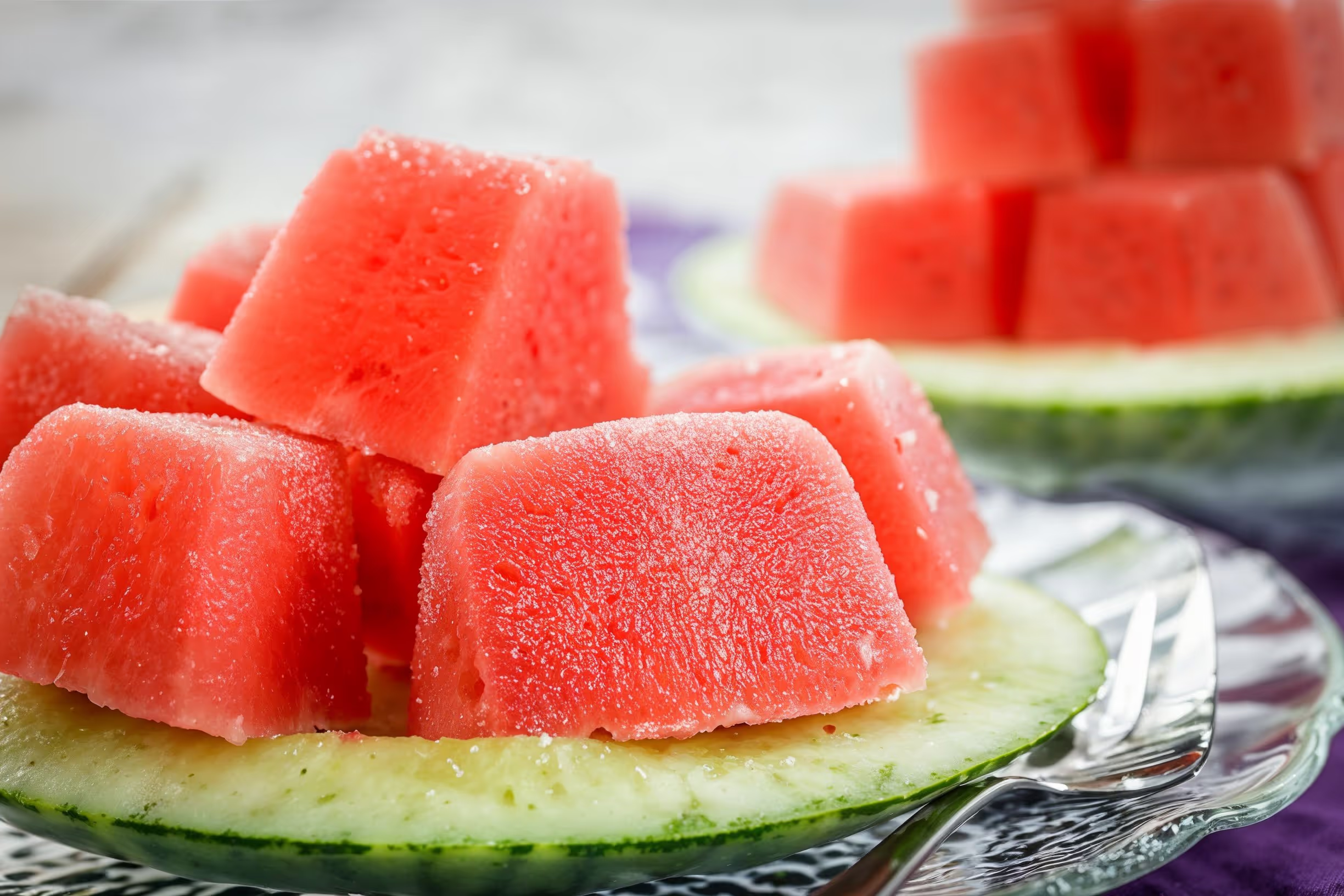
🍉 4. Watermelon-Mint Ice Cubes
Fun Hydration Hack
Sometimes, the little things help you stay on track. These cubes turn plain water into something craveable.
Instructions:
Blend 1 cup watermelon with a handful of mint. Pour into ice cube trays and freeze. Add to still or sparkling water.
🐟 5. Lemony Grilled Salmon with Zucchini Ribbons
Protein-Rich + Light
Protein is key while on GLP-1s — it keeps you full and supports lean body mass. This dish is quick and nutrient-dense.
Ingredients:
- 1 salmon filet
- 1 zucchini, shaved into ribbons
- Juice of ½ lemon
- Olive oil, salt, pepper
- Dill or parsley
Instructions:
Grill salmon until flaky. Toss zucchini ribbons with lemon and olive oil, plate alongside salmon.
🌿 Why These Recipes Work With GLP-1s
GLP-1 medications slow digestion and reduce appetite, so eating smaller, nutrient-dense meals helps avoid nausea and bloating. These recipes are:
✅ Easy to digest
✅ High in hydration
✅ Fiber- and protein-rich
✅ Naturally portion-controlled
✅ Joyful to prepare and eat
🧡 Effecty = Wellness, Not Just Weight Loss
At Effecty, we’re with you for the long haul — helping you feel good in your body, understand your treatment, and embrace a life that feels sustainable and fun. These meals aren’t just “GLP-1 friendly” — they’re life friendly.
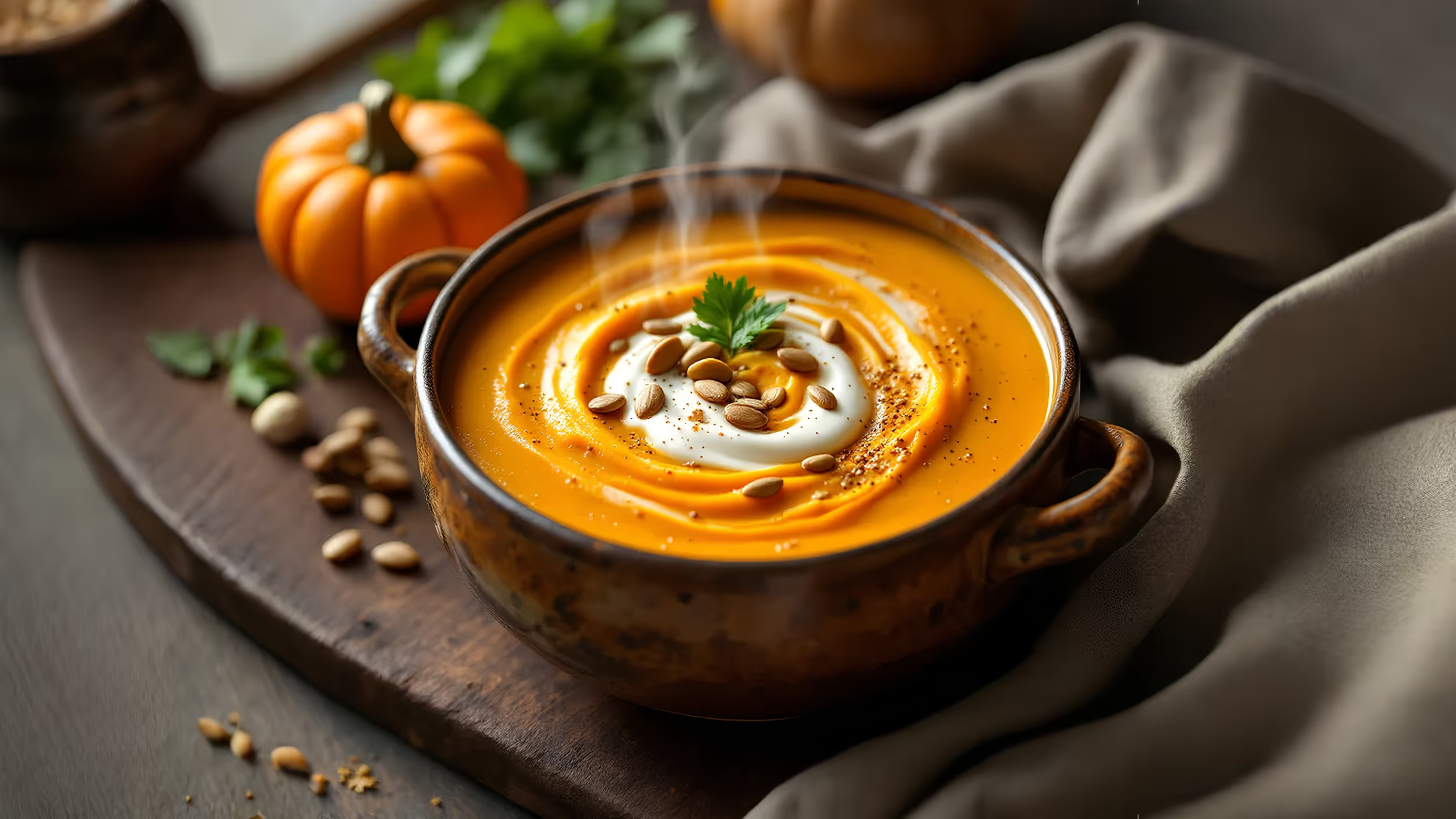
Effecty's High-Protein Pumpkin-Butternut Soup
Effecty's High-Protein Pumpkin-Butternut Soup
The "Why" Behind This Recipe:
- High-Protein: Crucial for satiety, muscle maintenance, and managing appetite. The chicken and Greek yogurt provide a significant protein boost.
- Fiber-Rich: Pumpkin and butternut squash are loaded with fiber, which aids in digestion, promotes a feeling of fullness, and helps stabilize blood sugar.
- Easy to Digest: The creamy, blended texture is gentle on the stomach.
- Nutrient-Dense: This soup is packed with vitamins A and C, potassium, and other essential nutrients from the vegetables and spices.
Serves: 4 Prep time: 15 minutes Cook time: 30 minutes
Ingredients for the base:
- 1 tablespoon olive oil
- 1 yellow onion, chopped
- 2 cloves garlic, minced
- 1 small butternut squash (about 2 lbs), peeled and cubed
- 1 (15 oz) can pure pumpkin puree (not pumpkin pie mix)
- 4 cups low-sodium chicken or vegetable broth
- 1 teaspoon grated fresh ginger
- ½ teaspoon ground cinnamon
- ¼ teaspoon ground nutmeg
- Pinch of cayenne pepper (optional, for a little kick!)
- Salt and black pepper to taste
Ingredients for the "Toppings" (The Fun Part!):
- 2 cups cooked, shredded chicken breast (pre-cooked and shredded rotisserie chicken works perfectly!)
- ½ cup plain, unsweetened Greek yogurt (full-fat or 2% for creaminess)
- ¼ cup toasted pumpkin seeds (pepitas)
- 2 tablespoons fresh parsley, chopped
- A drizzle of extra virgin olive oil for garnish
Instructions:
- The Sauté & Soften Step (The Sunrise): Heat the olive oil in a large pot or Dutch oven over medium heat. Add the chopped onion and cook until softened, about 5 minutes. Stir in the garlic, ginger, cinnamon, nutmeg, and cayenne (if using), and cook for another minute until fragrant.
- The Simmer & Meld Step (The Daylight): Add the cubed butternut squash, pumpkin puree, and broth to the pot. Stir to combine everything. Bring the soup to a boil, then reduce the heat to a simmer. Cover and cook for 15-20 minutes, or until the butternut squash is fork-tender.
- The Blend & Cream Step (The Sunset): Carefully transfer the soup in batches to a blender (or use an immersion blender directly in the pot). Blend until completely smooth and creamy. Return the soup to the pot and gently reheat. Season with salt and pepper to your liking.
- The Protein Power-Up (The Moonlight): Stir the shredded chicken directly into the pot and let it warm through for a few minutes. This ensures every spoonful is packed with protein.
- The "Harvest Moon" Presentation (The Grand Finale!): Ladle the hot soup into bowls. Now for the fun part: create a "Harvest Moon" swirl by spooning a dollop of Greek yogurt into the center of the soup and using the back of the spoon to swirl it in. Sprinkle with toasted pumpkin seeds for crunch and fresh parsley for a burst of color. Finish with a light drizzle of olive oil.