
1. Focus on fiber
Fiber refers to carbohydrates that are not digested by the gut. Soluble fiber and
insoluble fiber are two types of fiber that contribute to overall health and metabolism as well as weight management. Fiber passes through the digestive system undigested, and reaches the microbes and friendly bacteria in our gut. These good gut bacteria feed on the fiber and use it for energy. Fiber also contributes to weight loss by slowing the emptying of the stomach, which prolongs satiety and fullness and reduces appetite.
2. Blood sugar balance
After we eat, glucose, or sugar, is released from food into our blood stream. This blood glucose signals the release of the hormone insulin to uptake the glucose from the blood and bring it into our cells for energy. The more glucose that is released, the more insulin is pumped out. Excess blood glucose that is not used by the cells for energy gets stored as fat. Over time, we can become resistant to the effects of insulin, resulting in chronic high blood sugar leading to prediabetes, diabetes, a host of negative health conditions, and weight gain. High sugar and high carbohydrate meals and snacks cause a spike in blood glucose. To
diminish the glucose spike, we want to pair sugary and high carbohydrate foods with high protein and healthy fats. The fat and protein will help balance the sugar and ultimately the blood glucose spike. We also want to think about the order in which we eat our foods. If we start our meal with sugar or high carbohydrate foods, our blood sugar will spike. If we start the meal with fiber (vegetables) , protein, or fat, followed by the carbohydrate, the blood sugar spike will be more controlled. This means less of a glucose spike, less insulin, and less fat storage.
3. Prioritize whole foods, ditch processed foods
Whole foods, or real foods, are single-ingredient foods that are unprocessed. Whole
foods are typically packed with minerals, vitamins, and nutrients that promote health. When we get our calories from whole foods, the quality of protein, fat, and
carbohydrates are going to be much healthier and more nutritionally dense.
Processed foods typically contain additives, inflammatory oils, excess refined sugar, and artificial trans fats. These ingredients are linked to weight gain, diabetes, and obesity.
4. Hydration
Our cells are made up of about 60% water. We need to be properly hydrated for our cells to function at their best. While hydration is important for overall health and metabolism, it is also essential for weight management. Thirst cues are often mistaken for hunger cues, as the area of the brain, the hypothalamus, controls both hunger and thirst. We need 2-3 liters of water per day to stay adequately hydrated.
5. Exercise and movement
We all burn calories simply by being. When we add in an exercise routine and movement, we burn additional calories. An exercise routine is essential for heart health, bone and muscle health, mental health, disease prevention, and weight management. This should be a mix of strength training, resistance training, and cardio. These types of movement allow us to build muscle and increase lean muscle mass, reduce fat, and ultimately improve our metabolism. While it is possible to lose weight without exercise, including movement and exercise into your weekly routine will accelerate weight loss. Walking daily is a great place to start!
By:
Lauren Steiner, MS, RDN, LDN
Registered Dietitian
Share this article

Related articles
.avif)
The Power of NAD+: Unlocking the Benefits for Energy, Aging, and Cellular Health
In the world of longevity and wellness, NAD+ (nicotinamide adenine dinucleotide) has emerged as a key player in the quest for healthy aging and enhanced vitality. Known for its role in cellular energy production and DNA repair, NAD+ is essential for maintaining the health of our cells and, ultimately, the health of our bodies. As we age, NAD+ levels decline, contributing to fatigue, cognitive decline, and the visible signs of aging. By replenishing NAD+ levels through supplements or IV therapy, we can combat these effects and support overall wellness.
In this blog post, we’ll explore the many benefits of NAD+, how it supports healthy aging, and what you need to know about potential side effects.
What is NAD+?
NAD+ is a coenzyme found in every living cell, and it plays a central role in energy metabolism, DNA repair, and overall cellular health. Without NAD+, our cells wouldn’t be able to produce the energy (ATP) required for normal function, and they’d struggle to repair damage caused by oxidative stress and environmental factors. NAD+ is also critical in activating sirtuins, proteins involved in regulating metabolism and promoting longevity.
However, as we get older, NAD+ levels naturally decline. This drop is associated with many of the symptoms of aging, including reduced energy, slower metabolism, and increased risk of chronic diseases.
The Benefits of NAD+ for Health and Longevity
1. Enhanced Cellular Energy Production
NAD+ is essential for converting the nutrients we eat into usable energy. It helps facilitate the chemical reactions in our mitochondria—the “powerhouses” of our cells—that produce ATP (adenosine triphosphate), the energy currency of the body. By increasing NAD+ levels, we can support efficient energy production, which leads to better physical performance, reduced fatigue, and improved overall energy levels.
- Key Benefit: Increased energy levels and improved physical endurance.
2. Promotes Healthy Aging and Longevity
Research into NAD+ has shown that it plays a crucial role in activating sirtuins, proteins that regulate cellular health and longevity. Sirtuins help protect our cells from damage, regulate inflammation, and support DNA repair processes, all of which contribute to healthy aging. By boosting NAD+ levels, we can potentially extend our healthspan—the number of years we spend in good health—and reduce the risk of age-related diseases.
- Key Benefit: Slows down the aging process and supports healthy aging at the cellular level.
3. Improved Cognitive Function
NAD+ not only supports physical energy but also mental energy. NAD+ levels are closely linked to brain health and cognitive function. By increasing NAD+, you can enhance brain energy metabolism, improve memory, and protect against neurodegenerative diseases like Alzheimer’s and Parkinson’s. Research suggests that NAD+ may help preserve brain function and promote neuroplasticity, the brain’s ability to adapt and learn new things.
- Key Benefit: Enhances memory, cognitive clarity, and focus.
4. DNA Repair and Protection
NAD+ plays a significant role in repairing damaged DNA, which accumulates over time due to factors like UV radiation, pollution, and normal metabolic processes. When our DNA is damaged, it can lead to mutations and contribute to the development of diseases, including cancer. NAD+ activates enzymes like PARPs (poly ADP-ribose polymerases) that are responsible for repairing DNA damage, protecting against cellular dysfunction and chronic illness.
- Key Benefit: Supports DNA repair and reduces the risk of mutations and age-related diseases.
5. Boosts Metabolism and Weight Management
With age, metabolism tends to slow down, leading to weight gain and increased risk of metabolic disorders like diabetes. NAD+ is involved in regulating metabolic processes, and higher NAD+ levels have been linked to better insulin sensitivity and more efficient fat metabolism. Some studies suggest that NAD+ may even enhance the body’s ability to burn fat, which can aid in weight management and reduce the risk of obesity-related diseases.
- Key Benefit: Promotes a healthy metabolism and supports weight management.
6. Reduces Inflammation and Oxidative Stress
Chronic inflammation and oxidative stress are two key drivers of aging and disease. NAD+ helps regulate the body’s response to inflammation by supporting the production of antioxidants and activating anti-inflammatory pathways. This can reduce the overall burden of oxidative stress on the body, promoting a healthier, longer life.
- Key Benefit: Reduces inflammation and protects against oxidative damage.
How to Boost NAD+ Levels
There are several ways to increase NAD+ levels, including:
- NAD+ Precursors: Supplements like nicotinamide riboside (NR) and nicotinamide mononucleotide (NMN) can boost NAD+ production in the body.
- IV NAD+ Therapy or Injections: Direct NAD+ infusions can bypass digestion and deliver the coenzyme directly to cells, offering faster, more effective results.
- Lifestyle Choices: Intermittent fasting, exercise, and a balanced diet rich in nutrients can naturally support NAD+ levels.
Potential Side Effects of NAD+ Supplementation
While NAD+ supplementation offers numerous benefits, it’s essential to be aware of potential side effects, particularly with higher doses or IV therapy. Most people tolerate NAD+ precursors and supplements well, but some side effects can occur, including:
- Nausea: Some people report mild nausea or digestive discomfort after taking NAD+ supplements or receiving IV therapy.
- Fatigue: While NAD+ generally improves energy, some people experience temporary fatigue after taking supplements or undergoing treatment. This may be due to the body’s increased demand for NAD+ as it ramps up energy production and repair processes.
- Headaches: A small percentage of users report mild headaches after taking NAD+ supplements.
- Flushing or Sweating: Some people experience a temporary feeling of warmth or flushing, particularly with IV NAD+ therapy.
It’s important to start with a lower dose of NAD+ and gradually increase it under the guidance of a healthcare professional to minimize potential side effects. For individuals with existing medical conditions or those taking other medications, it’s advisable to consult a healthcare provider before starting NAD+ supplementation.
Conclusion: NAD+ for a Healthier, Longer Life
NAD+ is a critical molecule for cellular energy, DNA repair, and overall health. As we age and NAD+ levels decline, we become more vulnerable to fatigue, cognitive decline, and age-related diseases. By boosting NAD+ levels through supplementation or IV therapy, you can support healthy aging, enhance cognitive function, improve metabolism, and reduce inflammation.
While NAD+ offers powerful benefits for longevity and vitality, it’s essential to approach supplementation with care, considering any potential side effects and working with a healthcare provider to determine the best course of action for your individual health needs.
Summer Starts Here: 5 Light & Nourishing Recipes to Support Your GLP-1 Journey
At Effecty, we believe wellness is more than a prescription — it’s a way of life. If you’re on a GLP-1 medication, you’re already taking powerful steps to support your metabolism and reach a healthier weight. But how you nourish your body matters just as much.
As the weather heats up, so should your hydration, nutrition, and joy. Below are five summer-friendly recipes created to complement GLP-1 treatment — designed to be light on the gut, rich in nutrients, and refreshingly easy to prepare.
🍓 1. Strawberry-Basil Chia Water
Hydration + Fiber
Chia seeds are fiber powerhouses that help with fullness, while strawberries and basil add a burst of antioxidants and natural sweetness.
Ingredients:
- 2 cups cold water
- 1 tbsp chia seeds
- 4–5 fresh strawberries, sliced
- A few basil leaves
- Optional: squeeze of lemon
Instructions:
Stir chia seeds into water and let sit for 5–10 minutes. Add strawberries, basil, and lemon. Sip throughout the day.
🥒 2. Cucumber-Avocado Gazpacho
Cooling + Easy on Digestion
Blended soups are ideal during GLP-1 treatment because they’re gentle, filling, and easy to portion.
Ingredients:
- 1 large cucumber, peeled and chopped
- 1 avocado
- Juice of 1 lime
- ¼ cup Greek yogurt or dairy-free alternative
Salt, pepper, and mint to taste
Instructions:
Blend all ingredients until smooth. Chill and serve cold with a drizzle of olive oil or dollop of yogurt.
🍑 3. Grilled Peach & Arugula Salad
Sweet, Peppery & Satisfying
Perfect for a light lunch or dinner side — fiber, healthy fats, and seasonal fruit in one.
Ingredients:
- 2 peaches, halved and grilled
- 2 cups arugula
- 1 tbsp feta or goat cheese
- 1 tsp olive oil + balsamic vinegar
- Optional: handful of walnuts
Instructions:
Grill peach halves for 2 minutes per side. Toss with arugula, cheese, walnuts, and dressing.
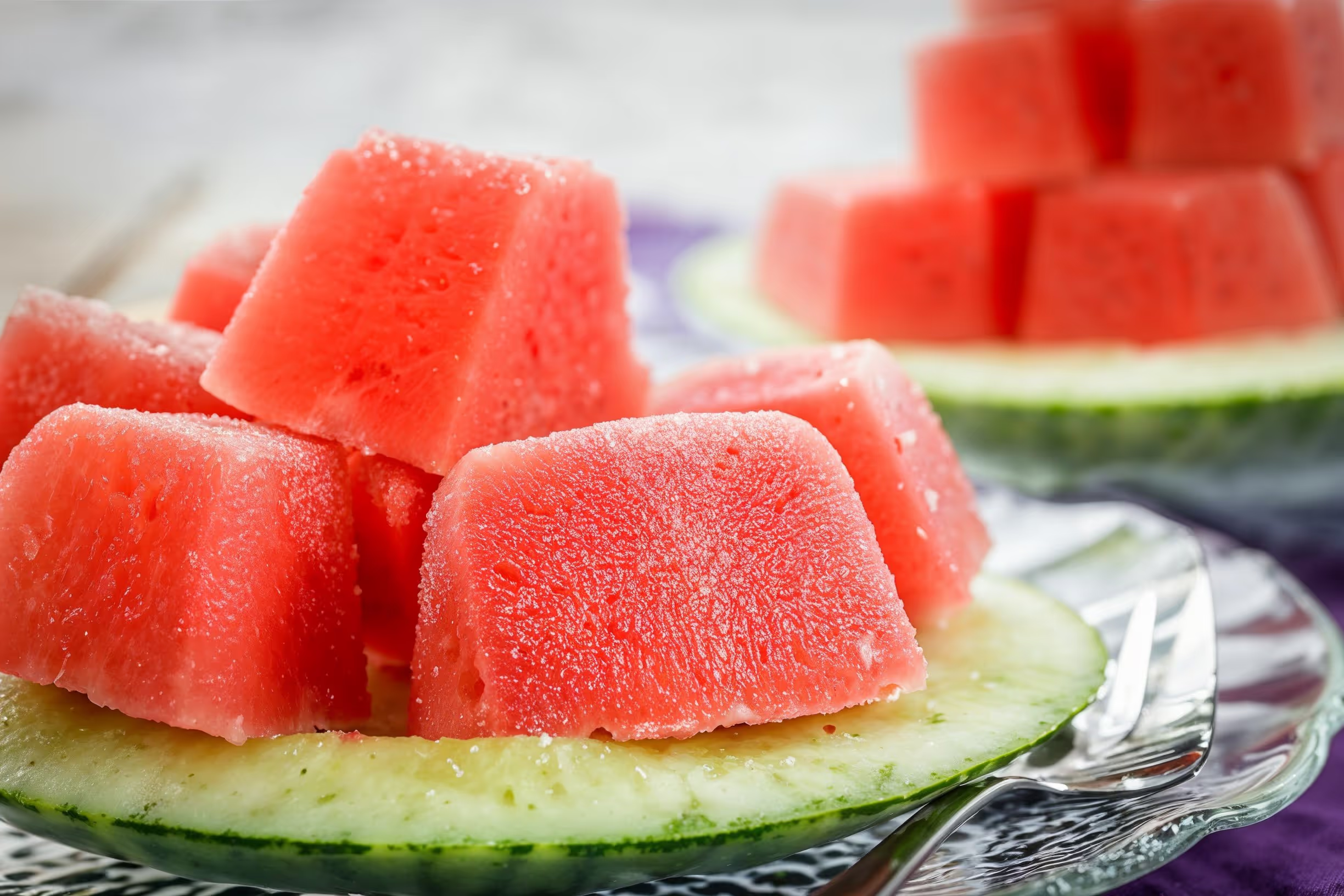
🍉 4. Watermelon-Mint Ice Cubes
Fun Hydration Hack
Sometimes, the little things help you stay on track. These cubes turn plain water into something craveable.
Instructions:
Blend 1 cup watermelon with a handful of mint. Pour into ice cube trays and freeze. Add to still or sparkling water.
🐟 5. Lemony Grilled Salmon with Zucchini Ribbons
Protein-Rich + Light
Protein is key while on GLP-1s — it keeps you full and supports lean body mass. This dish is quick and nutrient-dense.
Ingredients:
- 1 salmon filet
- 1 zucchini, shaved into ribbons
- Juice of ½ lemon
- Olive oil, salt, pepper
- Dill or parsley
Instructions:
Grill salmon until flaky. Toss zucchini ribbons with lemon and olive oil, plate alongside salmon.
🌿 Why These Recipes Work With GLP-1s
GLP-1 medications slow digestion and reduce appetite, so eating smaller, nutrient-dense meals helps avoid nausea and bloating. These recipes are:
✅ Easy to digest
✅ High in hydration
✅ Fiber- and protein-rich
✅ Naturally portion-controlled
✅ Joyful to prepare and eat
🧡 Effecty = Wellness, Not Just Weight Loss
At Effecty, we’re with you for the long haul — helping you feel good in your body, understand your treatment, and embrace a life that feels sustainable and fun. These meals aren’t just “GLP-1 friendly” — they’re life friendly.

Workout with us: A Guide to GLP-1 workout routines!
Fit and Fun: Exciting Workout Routines for GLP-1 Users
Hello, Effecty community! Are you ready to add some zest to your fitness routine while on your GLP-1 journey? Whether you're a seasoned gym-goer or just starting to embrace physical activity, we've got some exciting, effective, and yes, fun workout ideas that are perfect for anyone on GLP-1 medications like Semaglutide or Ozempic. Let’s get moving!
Why Exercise Matters on GLP-1s:
Exercise is a fantastic partner to your GLP-1 treatment. Not only does it aid in weight management, but it also boosts your mood, improves insulin sensitivity, and enhances overall health. But forget the notion of tedious workouts – it's time to make fitness enjoyable!
- Dance Cardio Party:
- What It Is: An energetic blend of dance and aerobic movements set to upbeat music.
- Why It’s Great for GLP-1 Users: Dance cardio is not just a calorie burner; it’s a mood lifter too. Plus, the variety of movements ensures a full-body workout.
- Getting Started: Look for dance cardio classes at local gyms or find online videos to groove at home.
- Aqua Aerobics:
- What It Is: A low-impact, high-energy workout in a swimming pool.
- Why It’s Great: The water’s buoyancy makes it easy on the joints, and the resistance helps tone muscles. Perfect for anyone who needs a gentler approach.
- Getting Started: Many community pools offer aqua aerobics classes – it's a splash!
- HIIT It Up:
- What It Is: High-Intensity Interval Training (HIIT) involves short bursts of intense exercise followed by rest periods.
- Why It’s Great: HIIT is excellent for improving cardiovascular health and can be modified for any fitness level.
- Getting Started: Start with basic exercises like jumping jacks, squats, or brisk walking. Gradually increase intensity and duration.
- Yoga for Flexibility and Strength:
- What It Is: A practice that combines physical postures, breathing exercises, and meditation.
- Why It’s Great: Yoga enhances flexibility, reduces stress, and can be tailored to your comfort level.
- Getting Started: Join a yoga class or follow along with online tutorials.
- Trail Trekking:
- What It Is: Walking or hiking along nature trails.
- Why It’s Great: It's not just good for your body; being in nature is also incredibly soothing for the mind.
- Getting Started: Find local trails suitable for your fitness level and enjoy the scenic views!
With these fun and varied workout options, exercising while on GLP-1 medications can be something you look forward to, not something you have to do. Remember, the best exercise is the one you enjoy and can stick with. So, lace-up those sneakers, grab a water bottle, and let’s get moving towards a healthier, happier you!
Share Your Fitness Journey:
Have you tried any of these workouts? Or do you have a fun fitness activity to recommend to your fellow Effecty members? Share your experiences and tips in the comments below. Let’s inspire each other on this fitness journey!